Tips for traveling more sustainably
Sustainable Travel: We’ll give you tips on how to behave while traveling, as well as advice on how to plan your trip in an eco-friendly way.
Tips for eco-friendly travel
Every trip has an impact on the environment and the people you visit. As a conscious traveler, you can make a real difference today, and each of us can lead by example. We have a few tips and suggestions for planning your trip in an eco-friendly way, as well as additional tips to help you minimize your environmental impact while traveling.

5 Tips for Planning an Eco-Friendly Trip
- Question the reason for your trip
Flying to New York for a shopping spree or to Mallorca for a weekend of partying?
Sure, it’s possible. But these trips aren’t just harmful to the environment—they don’t offer you any real added value. You can shop and party at home, too. So when planning your trip, ask yourself why you want to take it.
What appeals to you about the destination?
By the way, reflecting on your motivation for the trip also helps in choosing the right destination. Ask yourself what you expect from your trip, what your interests are, and what you’d like to experience once you’re there. That way, you’ll find a destination that suits you and your needs. - Choosing a Destination
As mentioned earlier, you should try to find a destination that suits you rather than blindly following travel trends. Why not take the opportunity to choose a destination that’s still relatively unknown? That way, you can have an authentic experience of the country, its people, and its culture. Avoid traveling to highly frequented places, as these suffer particularly from large tourist crowds. And if you do end up traveling to a very touristy city like Barcelona or Venice, at least avoid the peak travel season. - Air Travel: When Should I Fly?
For short distances (under 800 km), you should choose to travel by train or car instead of by plane. For longer distances, there are hardly any alternatives to flying. It’s more sustainable to stay longer in one place once you’ve traveled a certain distance; instead of planning many short trips throughout the year, you could travel less frequently but for longer periods. As a rule of thumb, aim for a trip duration of at least one week for flights and at least two weeks for long-distance travel. Additionally, you can take advantage of the option to offset the CO2 emissions from your flights, for example through atmosfair. Unfortunately, ocean cruises are not a real alternative to flying. They cause enormous air and water pollution and should therefore be avoided. - Choosing Accommodation
Instead of a large hotel chain, choose a small, owner-operated hotel or a local homestay. You can also specifically choose sustainable accommodations—these don’t necessarily have to be more expensive. There are tourism labels and certifications that can help guide you in choosing your accommodation. You can find a detailed overview of the 20 most important sustainability labels on the fairunterwegs website.
There are also booking platforms that specialize in offering sustainable accommodations. On Viabono, you can book eco-friendly and climate-friendly accommodations in Germany. You can find accommodations in Europe on bookitgreen.
You’ll also find a selection of authentic and sustainable accommodations on goodtravel, currently for destinations in Europe and Africa. - Tours and Activities
Of course, your trip should be fun and you should experience something while you’re there, but you usually have many activities to choose from on-site, and not all of them are good for the environment. Avoid thrill-seeking tours like off-road or ATV tours, as well as helicopter sightseeing flights. These activities are usually short-lived, expensive, and consume a lot of resources.
Choose a more eco-friendly option.
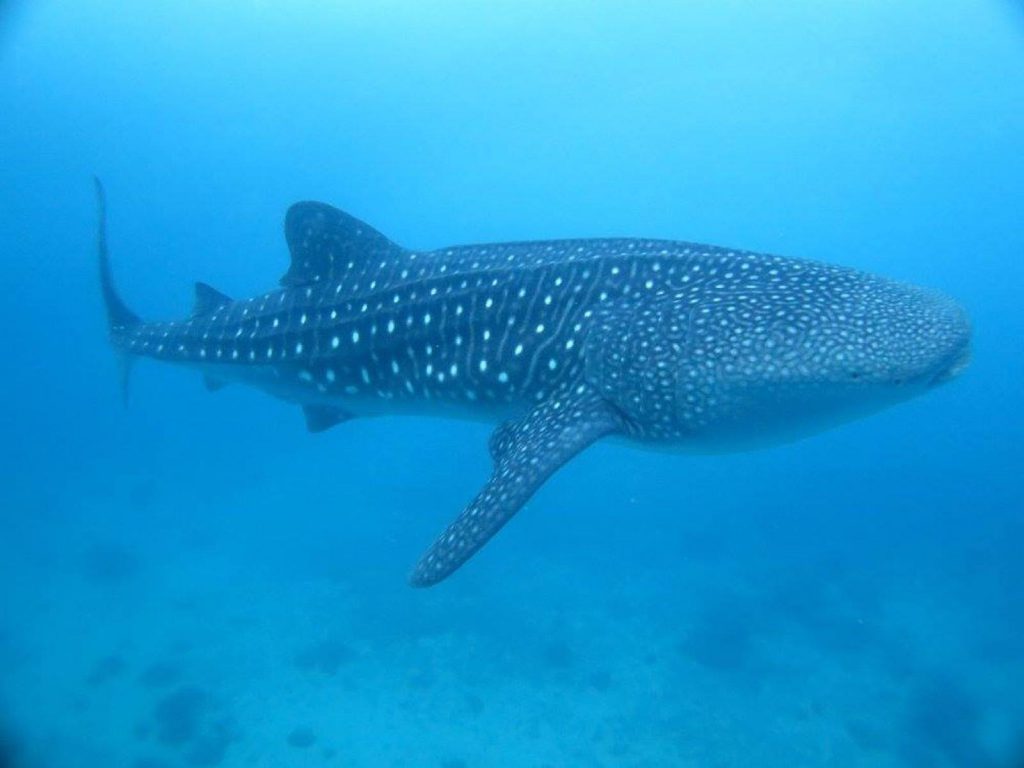
How about a bike ride, a hike, or a horseback ride? You’ll have more time to enjoy the scenery and get some exercise at the same time. Avoid events and activities involving animals that are not kept in a species-appropriate manner and are exploited. Instead of a camel or elephant ride, you can go on a wildlife-spotting hike. Do you love the underwater world and want to go snorkeling or diving on your next trip? Then be sure to choose a dive center that is committed to environmental protection. A good indicator of this is membership in the Green Fins Association, which is dedicated to promoting biodiversity conservation and coral protection through a catalog of measures and ongoing member reviews. Also very important for all water lovers: There are ingredients in sunscreens that contribute to the destruction of coral reefs. So skip the sunscreen and wear UV-protective clothing, or get a special sunscreen that doesn’t contain harmful ingredients.
Be the change you want to see in the world.“ – Mahatma Gandhi






6 Tips for Traveling in an Eco-Friendly Way
Now that we’ve shown you how to plan your trip to be as eco-friendly as possible, we have a few more tips to help you protect the environment while you’re traveling.
- Save water
In many areas, water is an extremely scarce resource. You can reduce your water consumption by avoiding long showers and changing your towels every day. - Avoid using air conditioning and turn off lights and AC whenever possible.
- Try local products
Local cuisine is a real treat and enhances the vacation experience—plus, you’ll be supporting local food production, helping vegetable farmers, and avoiding long transport routes for imported goods. - Souvenirs
Don’t buy souvenirs made from endangered animal or plant parts. Importing them into Europe is prohibited anyway. - Dispose of trash properly
As a general rule, you should leave every place just as you’d like to find it yourself. Don’t carelessly toss cigarettes on the beach or roadside—dispose of them in trash cans instead. Also important: Don’t flush anything down the toilet (tampons, hair, dental floss, condoms, and medications). These items don’t decompose and survive the journey to the wastewater treatment plant. Residues remain in the drinking water, and ecosystems are disrupted. In Asian countries, toilet paper does not belong in the toilet. Here, it’s better to throw the paper into the adjacent bin. - Reduce Waste
In many countries, waste disposal remains a challenge, so it’s important to avoid waste—especially plastic waste—as much as possible. Here’s what you can do:- Decline plastic bags when shopping!
- Avoid using straws. When ordering drinks, specifically ask for them without a straw.
- Buy returnable bottles and avoid cans. Refill bottles at drink dispensers whenever possible.
- Enjoy a coffee or a cold drink at a café rather than on the go in a to-go cup. The same goes for a snack or a delicious meal.
- Leave unnecessary packaging at home
- Travel with rechargeable batteries instead of disposable ones, and if disposable batteries are unavoidable, take them home with you—where they can be disposed of properly.

We hope we’ve been able to provide you with some helpful tips and ideas, and we look forward to planning your next trip together.
We’d be happy to help you discover new destinations and off-the-beaten-path areas. A trip to such a region requires a bit more preparation, but that’s what we’re here for! We’ll support you with our services throughout the entire planning process and all your travel preparations. And you’ll enjoy a truly special travel experience!